March 31, 2026
Learn About the Legal Limitations: What Private Investigators Can & Can’t Do
- Private investigators have strict legal guidelines to follow in their investigations.
- Private detectives can conduct surveillance, background checks, and gather public records legally.
- PIs cannot trespass, wiretap, or access protected information without consent or court orders.
- Impersonating law enforcement or using illegal methods is prohibited for private investigators.
- Always choose licensed PIs who follow the law and ethical standards to maintain evidence integrity.
Private investigators (PIs) are often seen as modern-day detectives, solving mysteries and uncovering hidden truths. They are highly skilled professionals who use various methods to gather information and evidence for individuals, businesses, and legal professionals. However, while private investigators possess extensive tools and techniques for investigating a case, they also have legal boundaries that they must follow.
Understanding what a private detective for hire can and cannot do is essential to ensure the work is conducted ethically and legally. In this blog, we will explore the legal limitations faced by private investigators, detailing their abilities and restrictions in order to give you a clearer picture of their role and responsibilities.
What are private investigators allowed to do?
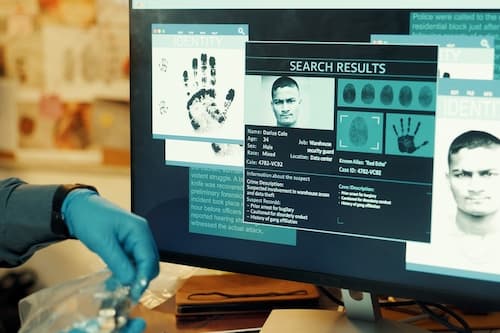
Our private investigators are licensed professionals with the skills and knowledge to conduct investigations in a variety of areas, including infidelity, fraud, criminal cases, background checks, and missing persons. We operate under strict legal guidelines, which allow us to gather information and evidence without crossing ethical lines. Some of the key things our private investigators can legally do include:
- Conduct surveillance: One of the primary tasks of our private investigator is surveillance. We can follow individuals, track movements, and document activities, provided they do not violate any privacy laws. Surveillance may involve both physical observations and the use of technology, such as GPS tracking or surveillance cameras.
- Conduct background checks: Our PIs are legally allowed to conduct background checks on individuals. These checks can include criminal records, employment history, financial records, and more. However, we must comply with laws like the Fair Credit Reporting Act (FCRA) and avoid accessing private information that is not in the public domain.
- Interview witnesses & gather public records: Our detectives are allowed to interview witnesses, experts, and individuals connected to the case. We also have access to public records, including court records, property records, marriage licenses, and certain business documents.
- Use surveillance equipment: PIs can use a variety of legal surveillance tools, such as cameras, audio recorders, and GPS trackers, to gather information. These tools must be used in a manner that does not violate the privacy of others, and they are often used to observe public spaces or individuals who have no reasonable expectation of privacy.
What are the legal limitations of a private investigator?
While our private investigators have a wide range of legal tools at their disposal, there are clear limitations to what we can do. Some actions are prohibited because they infringe on privacy rights, violate laws, or cross ethical lines. Here are some of the most significant things our private investigators cannot do:
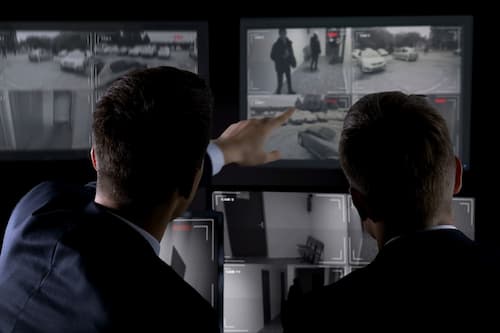
- Invade private property without permission: Our PIs cannot trespass on private property to gather evidence. If they need to observe someone on private land or in a private home, they must obtain permission from the property owner or a court order. This includes illegally entering a person’s home, office, or vehicle without consent.
- Wiretap or record private conversations: A private investigator cannot wiretap someone’s phone or record private conversations without the consent of at least one party involved, depending on the state’s laws. In some states, recording a conversation without consent is illegal, and PIs must be cautious to avoid violating wiretap laws.
- Access protected information: Our detectives cannot access confidential or protected information that is not available to the general public. For example, they cannot access sealed court documents, bank records, medical records, or credit information without permission or a court order. Violating privacy laws in this way can lead to serious legal consequences.
- Impersonate law enforcement: PIs are not allowed to impersonate law enforcement officers or mislead individuals into thinking they are working for the government. This includes wearing police uniforms, using official badges, or representing themselves as government agents in any capacity.
- Use illegal methods: Our private investigators cannot engage in illegal activities, such as bribing witnesses, hacking into computers, or committing crimes to gather information. They must work within the bounds of the law and adhere to ethical standards in all of their investigative practices.
Where can I find the best private detective for hire in Connecticut?
If you’re looking for PIs who adhere to strict legal standards to obtain information and are careful not to undermine the credibility of the investigation and compromise the integrity of the evidence gathered, reach out to Blackledge Investigations. Operating from Hartford County, we’re the leading team of private investigators in CT and beyond. Our team is licensed, follows the law, and operates ethically.
No matter which type of investigation you need, which qualities you’re looking for in a PI, or what type of equipment is needed to get the job done, you can count on our team to always respect privacy laws, obtain consent when necessary, and refrain from using illegal or unethical methods. To uncover the truth in the most effective and lawful way, give us a call today!
Related Articles
August 31, 2026
How Criminal Defense Investigators Reconstruct a Case Timeline
A criminal case can involve dozens of events spread across minutes, hours, or even days. Police reports, witness statements, phone records, photographs, video, and other materials may each describe only one part of what happened. Reconstructing a case timeline means bringing those pieces together to determine when key events occurred, how they relate to one …
August 31, 2026
Why Reviewing the Police Investigation Matters in a Criminal Defense Case
Police reports often provide the defense with its first detailed account of an alleged offense, but they do not always answer every question that matters to the case. Reports reflect what officers observed, what witnesses told them, what evidence they collected, and which investigative steps they took at the time. Our criminal defense investigator in …
July 31, 2026
Why Early Mitigation Work Can Change the Direction of a Case
Early mitigation work can influence a criminal case long before anyone begins preparing for sentencing. When our mitigation investigators in CT become involved from the start, we have time to examine the client’s background, locate records, interview collateral witnesses, and identify circumstances that may affect defense decisions. This process can reveal trauma, developmental concerns, treatment …