August 31, 2026
How Criminal Defense Investigators Reconstruct a Case Timeline
- Case timelines organize events into a clear chronological sequence.
- Investigators compare records, statements, timestamps, and other evidence.
- Estimated times should be separated from documented timestamps.
- Conflicting details can reveal gaps that need further investigation.
- Corroboration helps confirm whether key events align across multiple sources.
A criminal case can involve dozens of events spread across minutes, hours, or even days. Police reports, witness statements, phone records, photographs, video, and other materials may each describe only one part of what happened. Reconstructing a case timeline means bringing those pieces together to determine when key events occurred, how they relate to one another, and whether the available information supports the reported sequence.
That’s why our analytical defense investigator in Connecticut does more than arrange dates and times on a page. We compare sources, look for independent support, and examine inconsistencies that may require additional investigation. A carefully developed timeline can expose gaps, clarify confusing accounts, and help your attorneys understand the case in chronological order. As part of our methodical criminal defense investigation process, we turn scattered information into a clearer factual picture for your defense team.
What is a criminal case timeline?
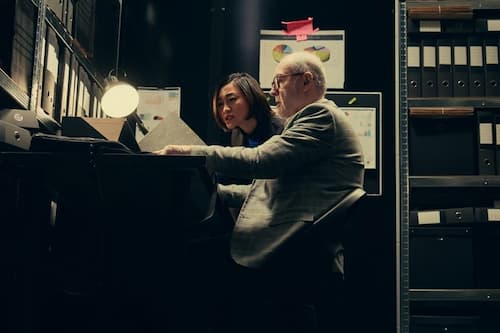
A case timeline is a chronological reconstruction of events based on the information available to investigators. Depending on the case, it may cover what happened immediately before an alleged offense, the event itself, and relevant actions afterward.
The goal is not to force every piece of evidence into a predetermined version of events. We build the timeline from documented information and continue refining it as new facts emerge.
Establishing reliable starting points
Some information provides stronger time markers than others. A report may record when officers were dispatched, while a video may contain a timestamp, or a record may show when a transaction or communication occurred.
We identify these reference points first and then compare less precise information against them. When several independent sources support the same timing, they can help establish a more reliable sequence.
Separating estimates from documented times
Witnesses frequently describe events using estimates such as “a few minutes later” or “around 10 p.m.” Those statements can still be important, but we distinguish estimated times from timestamps supported by records or other evidence.
That distinction helps prevent an approximate recollection from being treated as more precise than it actually is.
What evidence can investigators use to reconstruct a timeline?
The sources vary from case to case. We examine whatever information is legally available and relevant to the events under investigation, then compare the different sources rather than relying on one record alone.
Depending on the matter, timeline evidence may include:
- Police and incident reports
- Witness or defendant statements
- Surveillance or other video footage
- Photographs and documented scene information
- Phone, communication, or electronic records
- Receipts, transactions, or business records
- Location-related information when legally available
- Emergency calls and other time-stamped records
Each source has limits. A timestamp may establish when something occurred but not explain why it happened, while a witness may provide context without remembering the exact minute. Combining sources can give investigators a more useful picture.
What happens when parts of the timeline do not match?
Differences do not automatically mean a statement is false or evidence is unreliable. Witnesses may estimate time differently, and separate people may observe different portions of the same event.
We identify the source of the discrepancy
If two accounts conflict, we determine exactly where they differ and look for information that may clarify the sequence. That could include another interview, available video, a different record, or closer review of the original materials.
We avoid filling gaps with assumptions
A missing period remains a gap until evidence helps explain it. We document what the evidence supports, what remains uncertain, and which questions may require further investigation.
Why does corroboration matter when building a timeline?
A timeline becomes more useful when important events are supported by independent sources. A witness recollection, for example, may become more reliable when a record or video confirms when an event occurred.
Corroboration can also expose conflicts. If one source places a person in a particular location at a certain time while another indicates something different, we examine that discrepancy and document what we find for the defense team.
How can a reconstructed timeline help a criminal defense attorney?

A clear chronology helps your defense counsel evaluate a case without repeatedly piecing events together from separate reports, statements, and records. It can highlight important time periods, unanswered questions, and places where evidence supports or conflicts with an account.
We organize established facts and unresolved areas so counsel can prepare questions, assess evidence, and decide what may require further investigation.
How can I get in touch with an experienced defense investigator in Connecticut?
When the sequence of events matters to a criminal case, a carefully reconstructed timeline can help bring scattered facts into focus. At Blackledge Investigations, we work with attorneys and clients throughout Connecticut, including those in Stamford, to examine records, witness accounts, timestamps, and other available evidence from an independent perspective.
Our work may also involve taking a closer look at the original police investigation, examining why witness accounts may tell a different story, or considering what can be gained by beginning investigative work early. We document what the evidence supports, identify areas that may require follow-up, and provide clear findings for counsel to evaluate.
Call us to talk through your case, and we’ll explain how our investigative team may support your legal representatives with clear, documented findings. Contact us today!
Related Articles
August 31, 2026
Why Reviewing the Police Investigation Matters in a Criminal Defense Case
Police reports often provide the defense with its first detailed account of an alleged offense, but they do not always answer every question that matters to the case. Reports reflect what officers observed, what witnesses told them, what evidence they collected, and which investigative steps they took at the time. Our criminal defense investigator in …
July 31, 2026
Why Early Mitigation Work Can Change the Direction of a Case
Early mitigation work can influence a criminal case long before anyone begins preparing for sentencing. When our mitigation investigators in CT become involved from the start, we have time to examine the client’s background, locate records, interview collateral witnesses, and identify circumstances that may affect defense decisions. This process can reveal trauma, developmental concerns, treatment …
July 31, 2026
When a Mitigation Investigator Can Strengthen Your Defense
Our mitigation investigator can become a valuable member of a criminal defense team if your case involves serious consequences, a complicated personal history, or facts that cannot be understood through police reports alone. Our role is to uncover the experiences, records, relationships, and circumstances that help explain the person behind the charge. A mitigation investigation …