August 31, 2026
Why Reviewing the Police Investigation Matters in a Criminal Defense Case
- Defense investigators review police work to develop a fuller factual picture.
- Reports, timelines, witness accounts, and evidence should be compared carefully.
- Conflicting statements do not automatically mean a witness is dishonest.
- Follow-up investigation can uncover context, gaps, or overlooked leads.
- Investigators organize verified findings to support attorney decision-making.
Police reports often provide the defense with its first detailed account of an alleged offense, but they do not always answer every question that matters to the case. Reports reflect what officers observed, what witnesses told them, what evidence they collected, and which investigative steps they took at the time. Our criminal defense investigator in CT examines that material from another perspective.
When we review a police investigation, our purpose is not to assume that law enforcement made mistakes or that every inconsistency changes the case. We look closely at the available facts, compare different sources of information, and identify areas that may deserve additional attention.
That can mean examining timelines, revisiting witness accounts, checking whether supporting evidence matches a statement, or following a lead that received limited attention earlier. A carefully conducted criminal defense investigation can give the defense attorney a more complete factual picture when evaluating the case.
What does reviewing a police investigation actually involve?
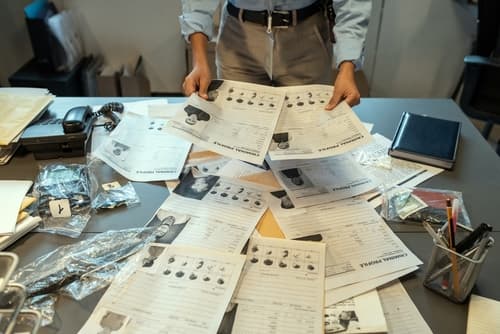
An independent review starts with understanding what law enforcement documented and how the investigation developed. Depending on the case, that may involve police reports, witness statements, photographs, video, records, diagrams, forensic information, and other materials available to the defense.
Comparing reports with the underlying facts
We do not read police reports in isolation. We look at how reported observations fit with other available information and whether the sequence of events makes sense when the materials are considered together.
Dates, times, locations, descriptions, and statements can all become relevant. If one record places an event at a particular time while another source suggests something different, that discrepancy may warrant closer examination rather than an immediate conclusion.
Looking closely at witness accounts
Witness statements can influence the direction of a criminal investigation, but memory and perception are not always perfect. We compare accounts to determine where witnesses agree, where they differ, and whether independent information can confirm important details.
A difference between statements does not automatically mean someone is being dishonest. The investigator’s job is to document the discrepancy, examine the circumstances surrounding it, and provide useful findings to the defense team.
Why can an independent review reveal important questions?
Police investigators and defense investigators approach a case from different positions. Law enforcement investigates an alleged offense and develops information for the prosecution, while we examine the case on behalf of the defense and follow issues relevant to that side of the matter.
Some details may need additional context
A fact can take on a different meaning when placed beside other evidence. A brief statement in a report, for example, may raise questions about where a person was standing, what they could actually see, when they learned certain information, or whether another source supports their version of events.
We identify those questions and determine whether additional investigative work could help answer them.
Follow-up leads can develop new information
A report may mention a person who was never interviewed in depth, a location that warrants another look, or evidence that can be compared with other records. In some cases, circumstances also change after the initial police investigation, making additional information available.
Following a lead does not guarantee that it will help the defense. It allows the legal team to make decisions with more information rather than leaving a potentially relevant question unexplored.
What do we look for when reviewing a criminal case?
Every investigation requires a case-specific approach, but several areas commonly deserve attention when we examine law enforcement materials. We may look for:
- Differences between witness statements or later accounts
- Gaps or unclear points in the documented timeline
- Evidence that supports or conflicts with reported statements
- Witnesses or leads that may require additional follow-up
- Important details that lack independent corroboration
- Questions about locations, visibility, movement, or sequence of events
- Records or other information that could provide additional context
We do not treat every inconsistency as significant. Part of investigative work involves determining which issues deserve further attention and which have reasonable explanations.
How does the review help a criminal defense attorney?

Attorneys make legal and strategic decisions, while investigators help verify the facts behind them. Our review can identify witnesses who need follow-up, evidence that requires closer examination, or gaps that deserve further investigation.
We document and organize our findings so counsel has additional information to assess the evidence, prepare questions, and determine which investigative steps may help the defense.
Where can I find a resourceful criminal defense investigator in CT?
If you need investigative support for a criminal defense matter, Blackledge Investigations can help examine the facts from an independent perspective. We work with attorneys and clients across Connecticut, including those in Bridgeport, to review evidence, follow relevant leads, interview witnesses, and document findings that may assist the defense.
Depending on the case, that can include understanding how investigators build a reliable case timeline, examining what conflicting witness statements may reveal, or considering why starting a defense investigation early can matter. Every case requires its own approach, and our goal is to provide clear, well-documented information that counsel can evaluate alongside the legal strategy.
Contact our team to discuss your case and learn how our criminal defense investigation services may support your legal strategy. Let’s talk today!
Related Articles
August 31, 2026
How Criminal Defense Investigators Reconstruct a Case Timeline
A criminal case can involve dozens of events spread across minutes, hours, or even days. Police reports, witness statements, phone records, photographs, video, and other materials may each describe only one part of what happened. Reconstructing a case timeline means bringing those pieces together to determine when key events occurred, how they relate to one …
July 31, 2026
Why Early Mitigation Work Can Change the Direction of a Case
Early mitigation work can influence a criminal case long before anyone begins preparing for sentencing. When our mitigation investigators in CT become involved from the start, we have time to examine the client’s background, locate records, interview collateral witnesses, and identify circumstances that may affect defense decisions. This process can reveal trauma, developmental concerns, treatment …
July 31, 2026
When a Mitigation Investigator Can Strengthen Your Defense
Our mitigation investigator can become a valuable member of a criminal defense team if your case involves serious consequences, a complicated personal history, or facts that cannot be understood through police reports alone. Our role is to uncover the experiences, records, relationships, and circumstances that help explain the person behind the charge. A mitigation investigation …