March 4, 2026
What to Expect from a CPR/AED Training Course: A Quick Overview
CPR (Cardiopulmonary Resuscitation) and AED (Automated External Defibrillator) certification training is invaluable for anyone who wants to be prepared to save a life in the event of an emergency. These skills can be the difference between life and death for someone experiencing cardiac arrest or other critical medical conditions. Whether you’re a healthcare professional, a parent, a teacher, or someone who just wants to make sure they’re ready in case something happens, CPR and AED training in CT is an essential investment in your ability to help others.
Today’s article will give you an overview of what to expect when taking a CPR/AED certification class. From the key skills you’ll learn to the time commitment required, we’ll help you understand what’s involved so you can feel confident going into your training. Let’s dive into the details of what’s included in a CPR and AED certification course.
What is included in a CPR certification course?
A CPR certification course teaches you the basic life-saving technique of performing CPR on individuals who are unresponsive and not breathing. This includes chest compressions and rescue breaths, two critical components of CPR that help circulate blood and oxygen to vital organs during a cardiac emergency. In many courses, you’ll also learn about different CPR techniques for adults, children, and infants.
Here’s how CPR training usually looks:
- Recognition of cardiac arrest: Learn how to recognize the signs of cardiac arrest, including unresponsiveness and abnormal breathing.
- High-quality chest compressions: Practice performing chest compressions at the correct depth, rate, and allowing for proper recoil to ensure optimal blood flow.
- Rescue breaths: Gain confidence in performing rescue breaths in combination with chest compressions.
- CPR for adults, children, and infants: Understand the differences in techniques for various age groups.
- Choking response: Learn how to assist someone who is choking, including performing the Heimlich maneuver for both adults and children.
- Legal and ethical considerations: Understand the Good Samaritan laws and the legal protections available when performing CPR in emergencies.
By the end of the course, you’ll be able to act quickly and efficiently in cardiac emergencies, potentially saving a life.
What is included in an AED certification class?
An AED certification class focuses on the use of an Automated External Defibrillator, a device that can analyze a person’s heart rhythm and deliver a shock if needed to restore a normal heart rhythm in cases of sudden cardiac arrest. The AED is an essential tool in modern CPR, helping to increase survival rates by delivering rapid defibrillation.
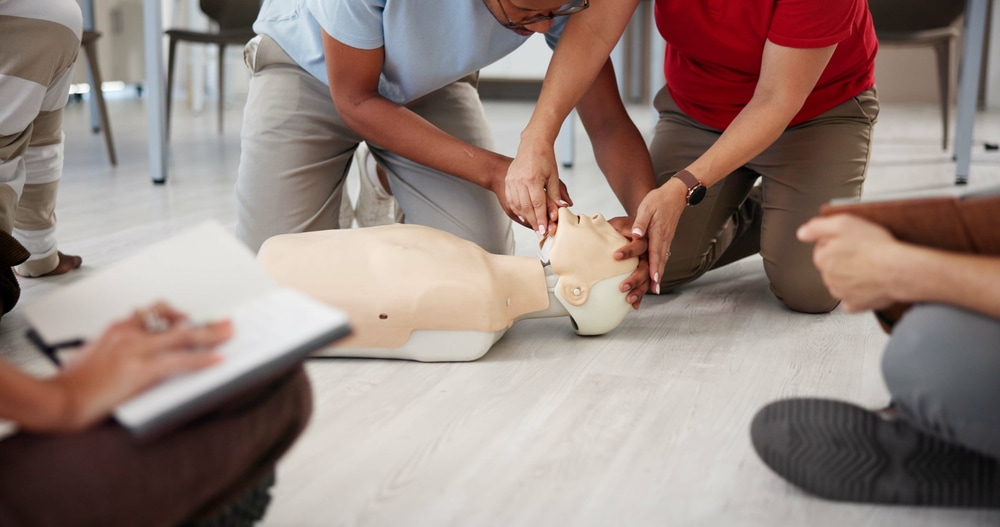
Key elements included in an AED certification class:
- Recognizing cardiac arrest: Learn to identify signs of cardiac arrest and understand when to use an AED.
- AED usage: Understand how to safely and effectively use an AED, including how to attach the electrode pads and follow the device’s prompts.
- Shocking the heart: Learn how to use the AED to deliver a shock to the heart when needed and ensure it is safe to do so.
- CPR and AED integration: Understand how CPR and AED work together to improve the chances of survival for someone in cardiac arrest.
- AED maintenance: Learn basic maintenance for AEDs, such as checking the battery and ensuring the device is ready for use.
- Responding to different age groups: Learn how to use an AED on adults, children, and infants, as the device and procedure may differ slightly.
AED certification gives you the skills and confidence to operate the AED device correctly and significantly increase someones survival chances in an emergency.
How long does it take to complete a CPR/AED certification course?
The duration of a CPR/AED certification course typically ranges between 4 and 6 hours, depending on the provider and whether the course includes additional content like first aid training. Some courses may be shorter if they focus only on CPR or AED techniques, while others may last a bit longer if they cover both CPR and AED training together. Many courses offer a mix of self-paced learning followed by hands-on practice and assessment, which is essential for mastering the skills.
Who offers accredited AED/CPR training in CT & the surrounding areas?
Whether you’re located in Greater New Haven or any other community across Connecticut, Blackledge Training will equip you to recognize cardiac arrest, perform chest compressions and rescue breaths, and assist someone in need of immediate care. From learning the basics concerning the certification itself and understanding the importance of having a valid CPR/AED certificate, all the way to helping with the certification renewal process and much more, we’re always here to answer your queries.
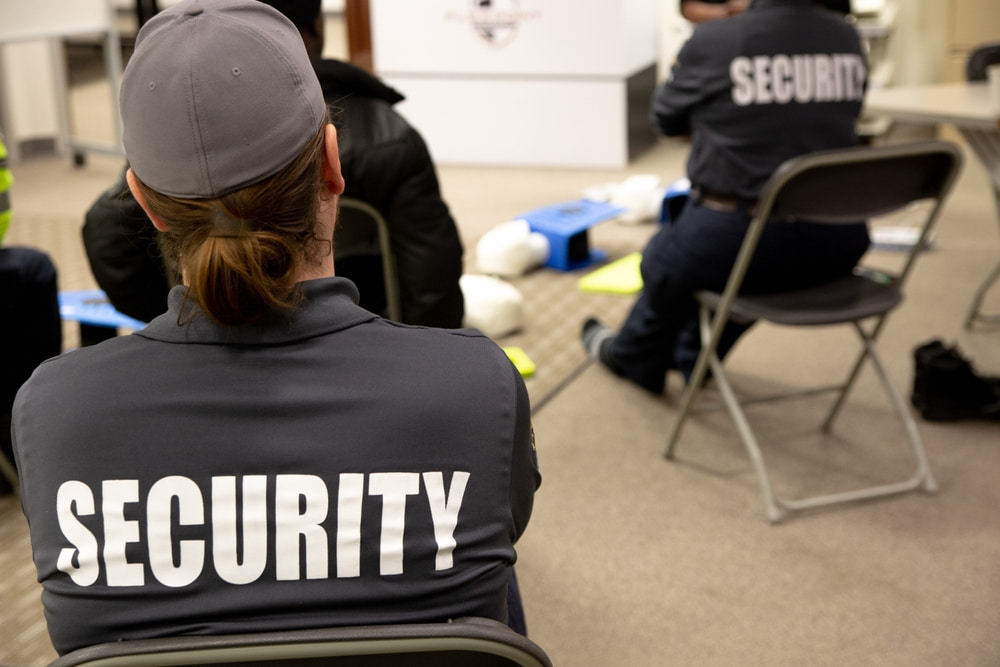
Whether you’re a teacher, security professional, or law enforcement officer, enroll in our training course, and we’ll prepare you to keep a cool head and take action in any emergency. Enroll today!
Related Articles
Lorem Ipsum
From Infidelity to Fraud: What Can a Private Investigator Help Me With
When faced with a difficult situation that requires more than just the usual answers, hiring a private investigator (PI) can provide you with the clarity and information you need. Whether it’s dealing with a potential case of infidelity, uncovering financial fraud, or even tracking down a missing person, a private investigator is skilled at gathering …
Lorem Ipsum
What Makes a Great Private Detective? Key Qualities Explained
Private investigators, often called PIs, are typically seen as the silent heroes in the world of law enforcement, corporate investigations, and personal matters. Whether they’re gathering evidence for a legal case, solving infidelity disputes, or investigating fraud, a skilled private detective in CT is crucial to uncovering the truth. But what sets a great private …
Lorem Ipsum
Subtle & Professional Tactics of a Certified Process Server
The role of a process agent is crucial for the smooth functioning of the legal process, yet it’s often misunderstood. Maybe the main reason for this is the way their job is depicted in movies and TV shows. Basically, a certified process server is tasked with delivering legal documents to individuals involved in legal proceedings. …